Geotechnical Investigation Process Auckland
A geotechnical investigation process in Auckland is a crucial step for property development projects. It gives the practical data engineers need to design safe, cost effective foundations and earthworks. Whether you are searching for soil investigation Auckland services or asking what does geotechnical site investigation involve, the following explains the four phases, typical timelines, and the local factors that affect investigations.
Overview Of The Geotechnical Investigation Methodology
The methodology for a geotechnical investigation usually follows four main phases, desktop study, site reconnaissance, field investigation, and laboratory analysis. Each stage builds on the last, creating a clearer picture of subsurface conditions and any potential hazards.
Phase 1: Desktop Study
The desktop study is where the team gathers and reviews existing information, geological maps, historical site records, council files, and any previous reports. This early review highlights likely ground issues and helps plan the fieldwork. A careful desktop assessment reduces the chance of surprises later on.
Phase 2: Site Reconnaissance
Site reconnaissance means a physical walk around the site to note surface conditions, access, vegetation, and visible geotechnical hazards. This visit helps determine how drilling and sampling will be managed, and flags any logistical constraints before machinery arrives.
Phase 3: Field Investigation
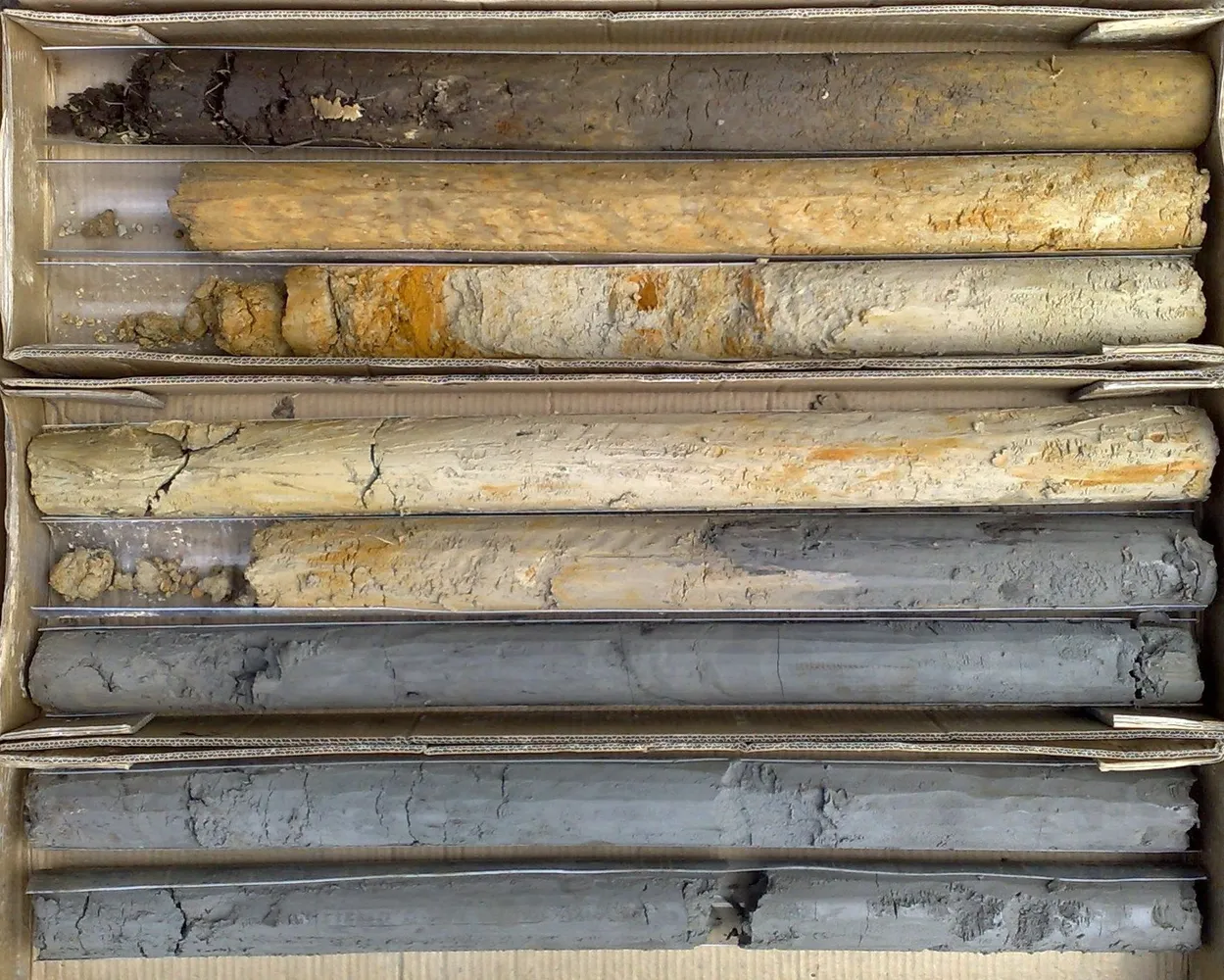
Field investigation is when soil and rock samples are taken at depth using drilling rigs and other specialised equipment. Common techniques include borehole drilling, cone penetration testing, and groundwater monitoring with piezometers. In situ testing measures soil strength and behaviour on site, and provides the raw data engineers need for foundation design.
Phase 4: Laboratory Analysis
Samples collected from the field are sent to the laboratory for classification, moisture content measurement, shear strength testing, and other engineering tests. These laboratory results support the engineering recommendations, tailored to Auckland’s particular ground conditions.
Typical Timeline Of Geotechnical Investigation In Auckland Projects
Timeframes for geotechnical investigations vary with site complexity, access and the extent of testing required. Typically, the desktop study and site reconnaissance take one to two weeks. Field investigations commonly run two to four weeks, depending on the number of boreholes and any access restrictions. Laboratory testing often adds another one to three weeks. Overall, expect roughly four to eight weeks from start to finished report.
Factors Affecting Investigation Duration
Weather, site access restrictions, and the level of detail required for testing all influence how long an investigation will take. The soils encountered and the presence of groundwater can also lengthen the process when extra tests or monitoring are necessary.
Auckland-Specific Timeline Considerations
Auckland’s varied geology presents specific challenges. Volcanic deposits, residual soils and clay rich layers behave differently and can complicate drilling and testing, sometimes extending timelines. Good planning accounts for these regional characteristics so that all necessary tests are completed properly.
Deliverables And How Clients Benefit
The final deliverable is a detailed geotechnical report that summarises the subsurface profile, soil properties, and engineering recommendations. The report includes bore logs, laboratory test data, site maps, and practical guidance for foundation and earthworks design. With this information, architects, engineers and developers make informed decisions that reduce risk and help keep budgets on track. Knowing the likely cost of geotechnical investigation Auckland property owners face helps with realistic budgeting.
Components Of The Geotechnical Report
A typical report contains detailed soil stratigraphy descriptions, laboratory results, groundwater observations, and site specific engineering recommendations. It also highlights potential geotechnical risks and the compliance items relevant to planning approvals.
How Findings Inform Project Design And Costs
Report findings guide foundation selection, earthworks planning and drainage solutions. They help identify cost effective options while addressing risks such as settlement or slope instability. The result is a clearer picture of likely costs and construction requirements.
Auckland Soil Conditions And Investigation Challenges
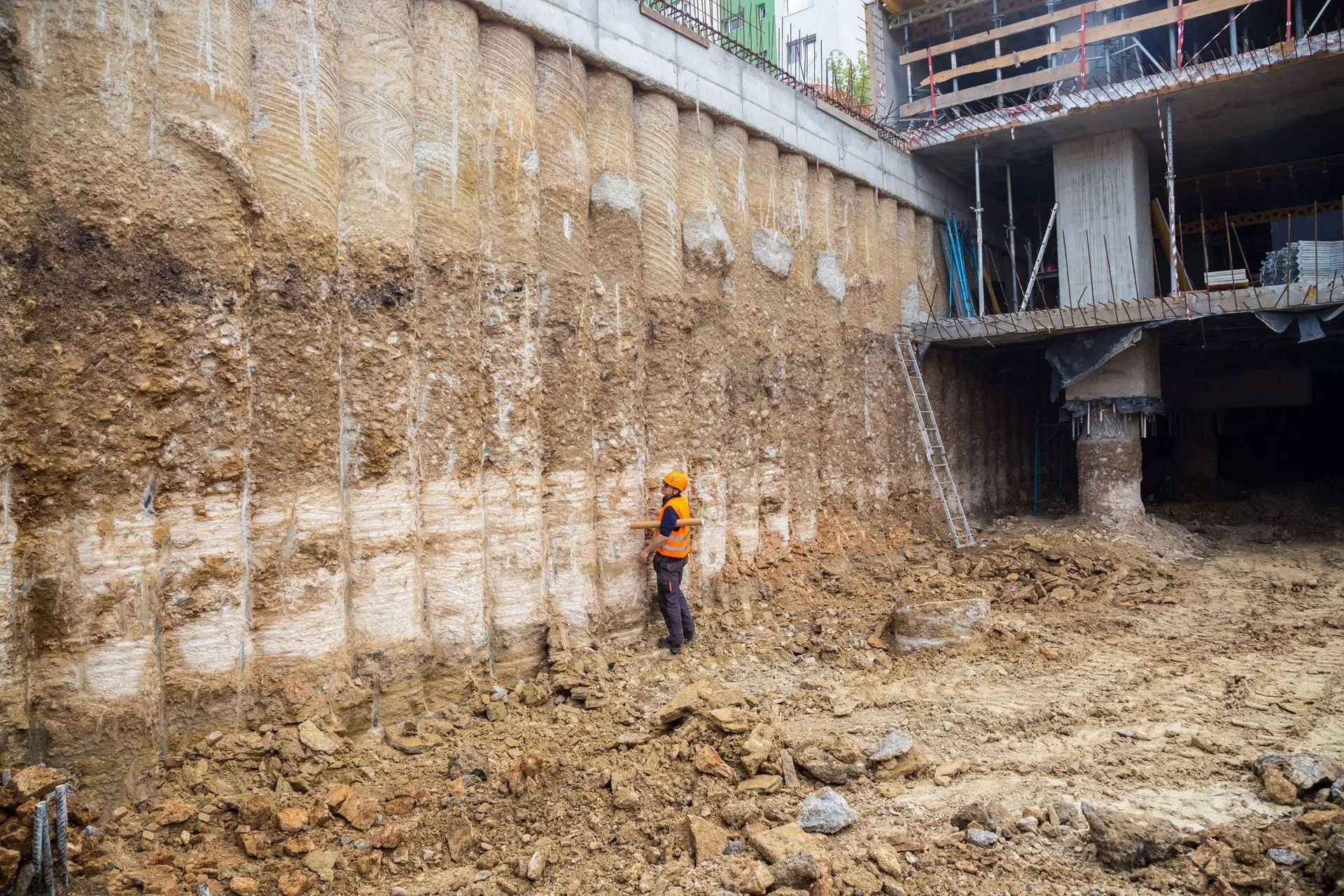
Auckland soil conditions create particular challenges because of the city’s diverse geology and complex local formations. Residual volcanic soils often vary in density, while alluvial deposits and clay layers can expand and contract with moisture changes. These characteristics require detailed soil investigation by specialists familiar with the region.
Common Local Soil Characteristics
Volcanic soils in Auckland frequently show heterogeneous properties that influence foundation performance. Alluvial soils and clays may cause instability or swelling, which affects design choices. Accurate assessment of these traits is essential for reliable engineering outcomes.
Council Requirements And Compliance Impact
Local councils have strict requirements for geotechnical reporting, aimed at public safety and environmental protection. These rules shape the scope and detail of investigations and can affect project timelines. Meeting council standards helps avoid delays and smooth the approval process.
For geotechnical investigation process Auckland projects need, engaging a specialist with local experience brings clarity on timelines, methodology and costs tailored to your property.
Contact a trusted geotechnical specialist to discuss your site specific needs and support your development objectives effectively.