Geotechnical Engineering Definition Auckland
Geotechnical engineering makes sure buildings and infrastructure sit on solid ground. In Auckland, it is a critical piece of every construction project, whether a new home, a multi-storey office, or road and rail upgrades. This specialist area looks at the soil, rock, and groundwater at a site, so designers and builders can make safe, durable choices about foundations and earthworks.
Understanding Geotechnical Engineering and Its Importance
What Is Geotechnical Engineering?
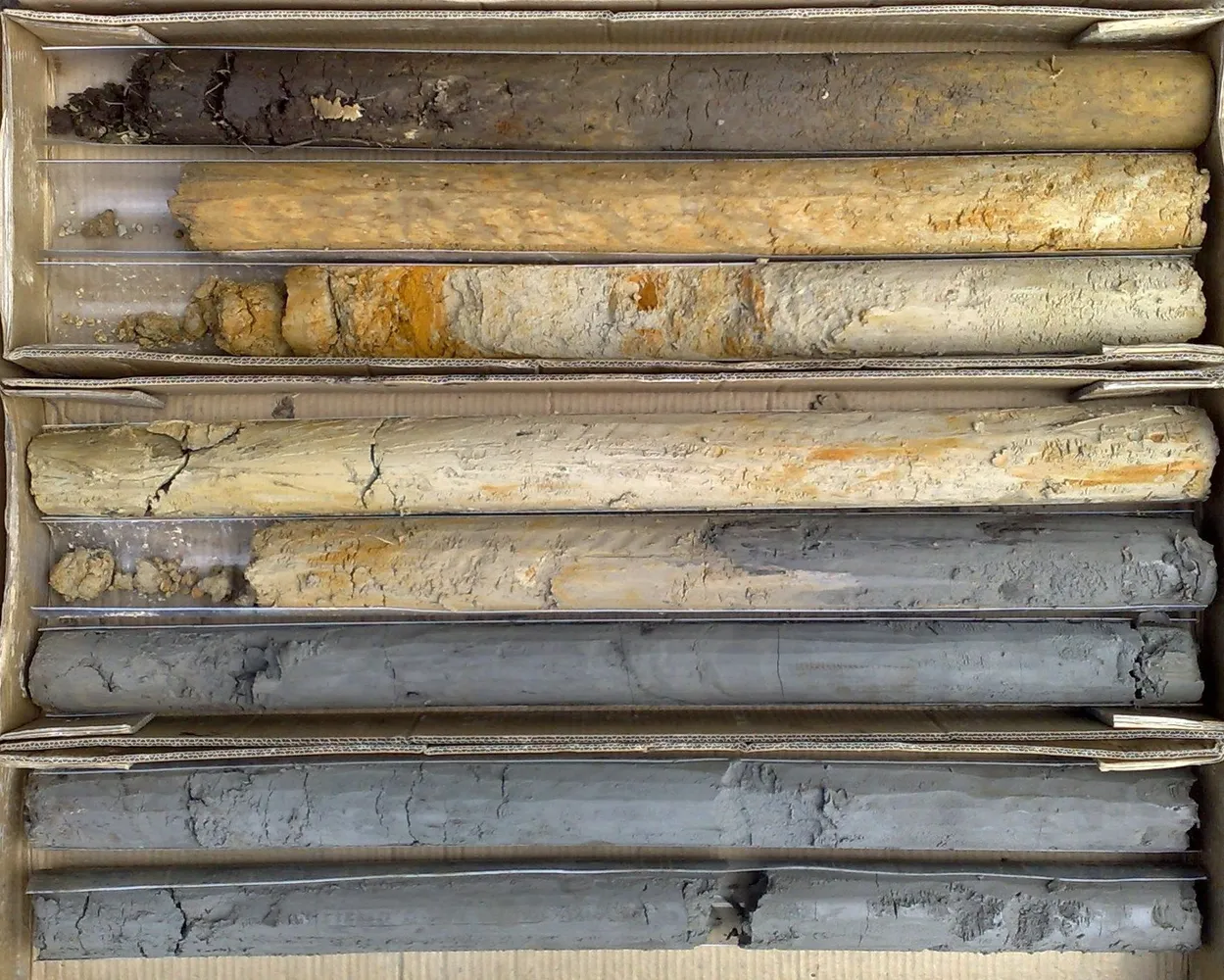
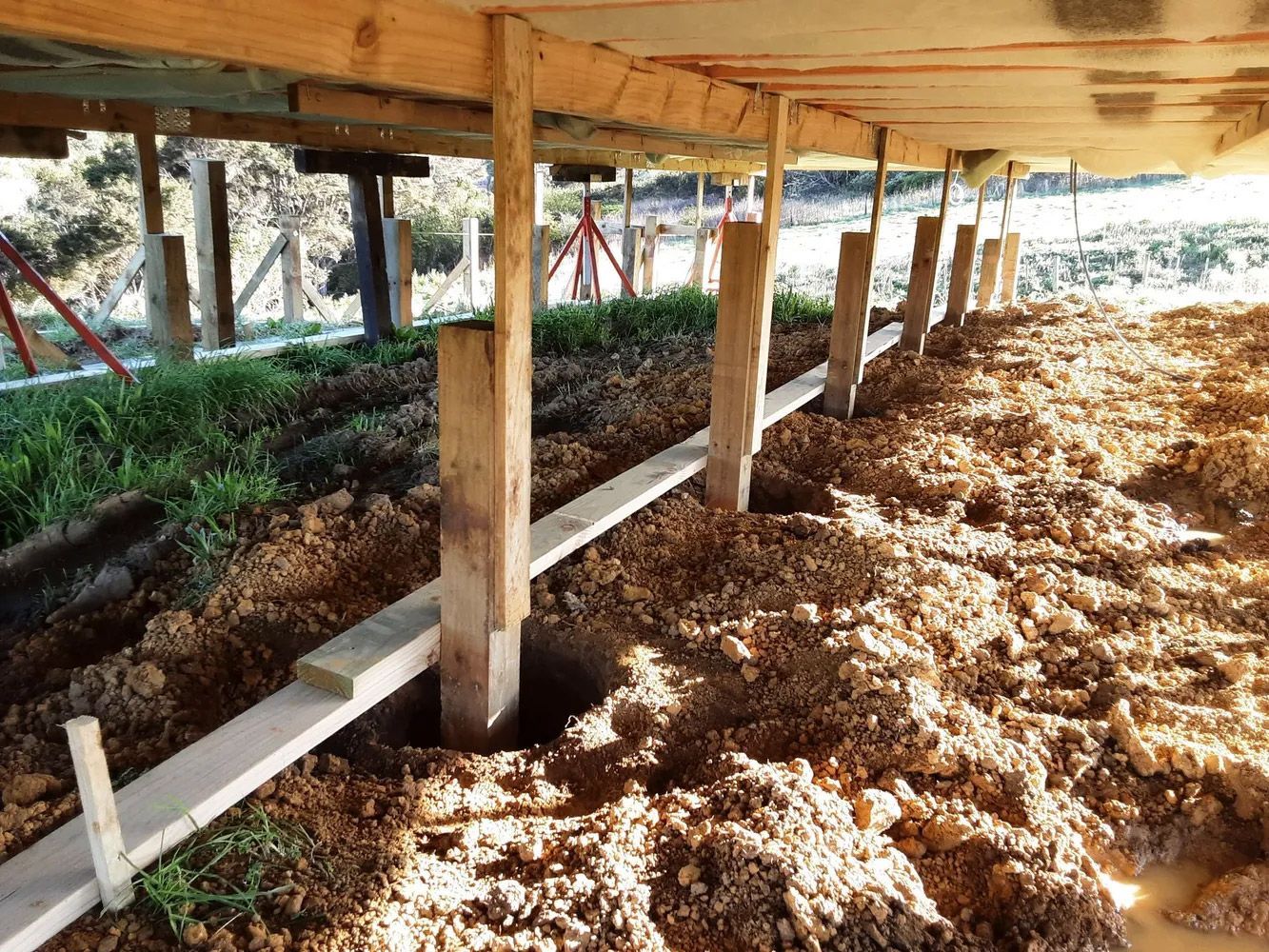
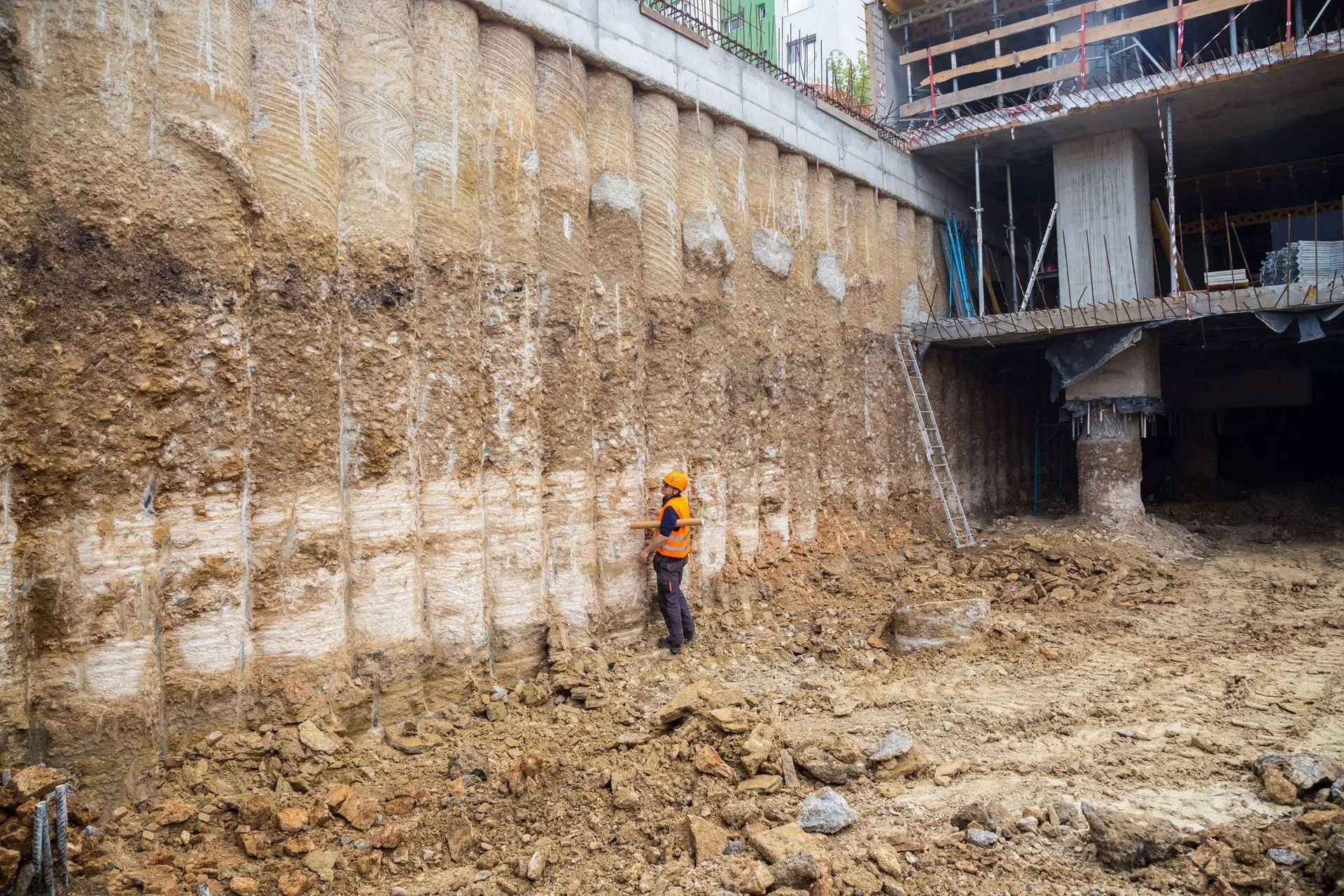
Geotechnical engineering is a branch of civil engineering that studies soil, rock, and groundwater at construction sites. It combines geology and soil mechanics with engineering analysis to assess how the ground will behave under loads. The outcome is practical guidance for foundations, retaining structures, tunnels, embankments, and other elements that interact with the earth.
Why Is Geotechnical Engineering Important?
A proper geotechnical study reveals hazards that are not obvious on the surface. Weak soils, slope instability, high groundwater or loose fill can all cause settlement, cracking, or worse. These risks can lead to safety issues and large repair bills if they are not identified early. Geotechnical work provides the data engineers need to design appropriately and reduce surprises on site.
The Role Of Geotechnical Engineers In Construction Projects
Geotechnical Engineering Vs Civil Engineering In Auckland
Civil engineering covers a wide field: roads, bridges, drainage, buildings. Geotechnical engineering is the specialist area focused on ground-related challenges. Geotechnical engineers test and interpret soil and rock conditions, then pass that information to civil or structural engineers. That collaboration ensures foundations are fit for purpose and slopes or excavations remain stable.
Why Construction Projects Need Geotechnical Engineers
Bringing geotechnical expertise in early saves time and money. Engineers identify suitable foundation types, flag risks that may affect construction methods, and confirm whether ground improvement is required. The result is fewer surprises during build, safer work sites, and designs that meet local codes and consent conditions.
Geotechnical Engineering’s Role In Construction Safety And Risk Prevention
Real-World Examples Of Geotechnical Failures
There are many cautionary examples where ground issues were underestimated. In some projects, inadequate soil testing led to foundation settlement and uneven floors. Elsewhere, poor slope assessment has resulted in landslides that damaged structures and delayed work. Liquefaction in seismic events is another documented cause of widespread foundations damage. These incidents underline the need for careful site investigation and sound engineering advice.
Regulatory Compliance: Auckland Council And New Zealand Standards
Auckland Council requires geotechnical input for many building consents, guided by relevant New Zealand standards. Those rules address ground stability, seismic considerations, and minimum safety levels for foundations and earthworks. Meeting these requirements is essential to obtain consent and to ensure buildings perform as intended over their life.
Cost Prevention Benefits Of Proper Geotechnical Engineering
Avoiding Expensive Repairs And Delays
Early, thorough geotechnical work is an investment that often pays for itself. By identifying ground risks before construction starts, teams avoid costly design changes, remedial works, and programme setbacks. Fewer surprises on site means fewer claims, less rework, and a smoother build process.
Professional Expertise In Geotechnical Engineering
Qualifications And Certifications
Geotechnical engineers typically hold civil engineering degrees with specialist study in soil mechanics and foundation design. Many are registered with Engineering New Zealand and follow continuing professional development to keep current with evolving codes and methods. These credentials signal competence to clients and regulators.
Specialist Knowledge And Skills
Beyond qualifications, geotechnical engineers bring practical experience in site investigation, lab testing, and ground modelling. They translate technical findings into clear recommendations for foundations, retaining walls, and ground improvement. That mix of science and on-site judgement keeps projects stable and safe.
Contact Shire Engineering: Auckland’s Trusted Geotechnical Specialists
Shire Engineering offers site investigations, risk assessments, and expert advice to help Auckland projects meet consent requirements and stand the test of time. Our team delivers clear, practical recommendations based on robust testing and local knowledge. Contact Shire Engineering to discuss your site and how we can support your next project.